


Rekeying Schedule for Turnover Season: A Playbook for NYC Buildings
New York moves in the summer. Leases roll over between June and September, elevators fill up with mattresses, and every management office runs the same quiet marathon: clean the unit, patch the walls, schedule the super, list the apartment. Somewhere on that checklist — usually near the bottom, usually in smaller handwriting — sits the one item that actually changes who can walk into the apartment at night: the locks.
This is a playbook for treating turnover season like the security event it is. It is written from the locksmith’s side of the door — after years of August calls that all start with some version of “the new tenant just moved in and we think someone else still has a key.”
Turnover is a security event, not a chore
When a tenant hands back their keys, you learn exactly one thing: that these particular pieces of brass are back in the drawer. You learn nothing about the copies. Keys get duplicated at any hardware store in minutes, with no record kept anywhere. Over a multi-year tenancy, copies drift outward — to partners, roommates, dog walkers, cleaners, the friend who watered the plants in 2023. None of those people are villains. All of them can still open the door.
So the working rule for any building, from a brownstone with four units to a tower with four hundred: returned keys are not all keys. The only way to reset the door to a known state is to rekey it. Everything else in this playbook hangs off that one fact.
Rekey, don’t replace (usually)
Turnover work is almost always rekeying, not lock replacement. Rekeying keeps the hardware you already own and changes the pins inside the cylinder, so the old keys stop working and a fresh set begins its life with a known count. It is faster than swapping hardware, gentler on the door, and it preserves whatever finish and style the building standardized on. We wrote a full breakdown of when rekeying is enough and when replacement is the right call — the short version for turnover season: rekey by default, replace when the hardware itself is worn, damaged, or was builder-grade to begin with.
A move-out is also the cheapest possible moment to discover a dying lock. The unit is empty, nobody is inconvenienced, and the work happens on a schedule instead of as a Friday-night emergency. A cylinder that already turns like it is full of sand will not heal between tenants.
The playbook, week by week
Two weeks out: inventory and inspect
Pull the list of units turning over this month. For each one, note what the door actually has: deadbolt, knob lock, chain, auxiliary hardware, mailbox lock. While you are there, test the basics — does the door close and latch on its own, does the strike line up, do the hinges sag, does the closer slam. Turnover is when small door problems get fixed for the price of attention instead of festering into lock failures. Book the locksmith now, for a scheduled window, instead of calling day-of and hoping.
Move-out day: collect and count
Collect everything that opens anything: unit keys, mailbox key, building fobs, garage remotes, storage padlock keys, laundry cards. Count what comes back against what was issued and write both numbers down. The point is not to catch anyone — it is to know the size of the gap you are about to close by rekeying.
Between tenants: the rekey window
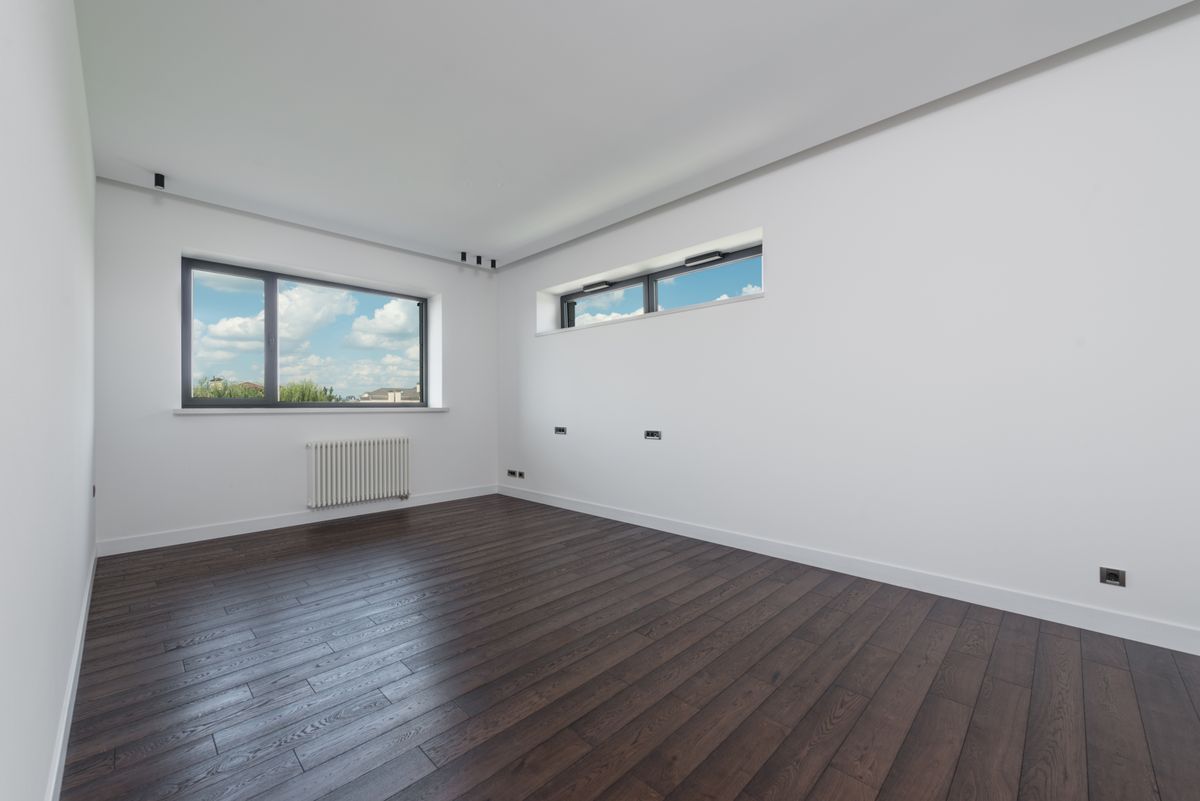
The empty unit is the golden hour. Rekey the unit door and the mailbox while there is nobody to coordinate with, no furniture in the hallway and no schedules to juggle. If the apartment has a second entrance — service door, terrace door with a keyed lock — it gets the same treatment; forgotten second doors are how “we rekeyed the apartment” and “the old key still works” turn out to both be true.
Building entry doors are a different animal. They are shared, they usually live on a master key system, and rekeying them on every unit turnover would lock out the whole building. Entry doors get rekeyed on their own calendar — typically when a staff member with a master leaves, after a security incident, or on a periodic schedule the management sets.
Move-in day: hand over and sign
The new tenant receives a fresh set — a known number of keys that have existed for a known number of days. Have them sign for the count. It takes thirty seconds, it sets the tone that keys are tracked in this building, and it gives you a clean starting record for the next turnover, whenever it comes.
Batch the season, don’t fight it door by door
If you manage more than a handful of units, the single biggest improvement you can make to turnover season is batching. Five units turning over in the same two weeks should not be five separate service calls. Group them: one scheduled visit, several cylinders rekeyed in sequence, one invoice, one update to the key log. The work goes faster because the locksmith sets up once, and the calendar stops being a lottery.
Batching also changes what kind of appointment you get. A scheduled block booked two weeks out lands in a civilized daytime slot. A day-of call lands wherever the day has room left, and August days rarely have room left. Same work, same doors — very different experience of getting it done.
Where the master key system fits
In buildings running a master key system, turnover rekeys have one extra requirement: the new unit cylinder has to be pinned back into the hierarchy, so the super’s master and the management master still work while the old tenant key dies. Done right, this is invisible — the tenant gets exclusivity against previous key holders, the building keeps its access structure, and the pinning chart gets one updated line. Done casually, by whoever was cheapest that week, it quietly breaks the system: units drift off the master, nobody documents which ones, and five years later “the master key sort of works” is a building-wide mystery. We cover how these hierarchies are designed in our master key design guide.
The mistakes we see every August
- Re-issuing the old set. The keys came back, the keys look fine, the keys go to the new tenant. Every copy made in the last tenancy still opens that door. This is the single most common shortcut, and the whole reason rekeying exists.
- Forgetting the secondary doors. Mailbox, storage cage, laundry room, roof access, the basement door that shares a key with the boiler room for reasons nobody remembers. If the departing tenant had it, it is part of turnover.
- Trusting the stamp. “DO NOT DUPLICATE” is a suggestion, not a mechanism — most shops will copy the key without a second look. If key copying genuinely matters to the building, that is a restricted keyway conversation, not a stamp.
- Rekeying without writing anything down. A rekey that is not logged did not happen, as far as the next manager is concerned. Which units, which date, how many keys issued, who signed — four fields, kept forever. Buildings that skip the log run on the memory of whoever answers the phone, and staff changes erase it overnight; our guide to key control logs that survive staff changes goes deeper on this.
The season on one page
Two weeks out: list the units, inspect the doors, book the block. Move-out: collect, count, record. The empty window: rekey unit and mailbox, fix what the inspection found. Move-in: issue a counted set against a signature. Repeat per unit, batch per building, and keep the master system’s chart in sync as you go. For the wider maintenance picture beyond turnover — hinges, closers, seasonal door behavior — see our property manager’s guide to lock maintenance.
None of this is complicated. It is a rhythm, and buildings that adopt it stop experiencing turnover season as a security gamble and start experiencing it as scheduled maintenance — which is the most boring possible outcome, and in this trade, boring is the goal.
If you manage buildings or run a business and want this handled as an ongoing arrangement rather than one-off calls, see how we work with property managers and business accounts — certificate of insurance on request, net-30 invoicing, and priority scheduling for recurring clients.
Written by Mykhailo — NYC DCWP-licensed locksmith, FixMate Locksmith. Serving all five boroughs, around the clock.
Turnover season on the calendar?
Request a quote · Rekeying service
Price named and confirmed before any work starts. No surprises at the door.