

A Property Manager’s Guide to Lock Maintenance in NYC Buildings
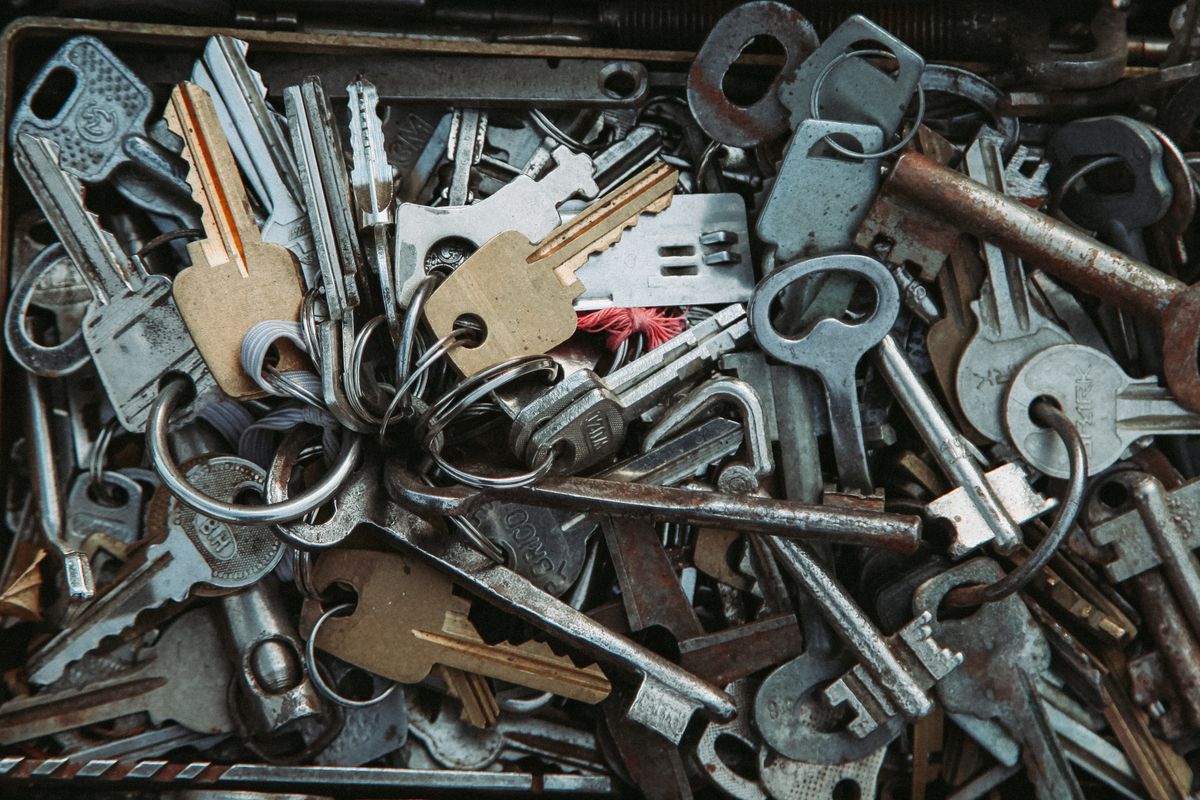
Ask a property manager where the building’s keys are and you will usually be shown a drawer. In it: decades of brass, some labeled in a retired super’s handwriting, some labeled nothing, at least one ring nobody has dared to throw away since the Giuliani administration. Every one of those keys is a small unanswered question about who can open which door.
Locks are one of the few building systems that touch every tenant every day, and one of the few with no maintenance schedule of their own. Boilers get serviced, roofs get inspected — locks get remembered when someone is standing in the hallway at midnight. This guide is the playbook I wish every management office had pinned to the wall, from a locksmith who spends half his week inside residential buildings across the boroughs.
The real cost of reactive-only lock care
Run locks to failure and you pay in the worst currency: emergencies. A seized entry lock is an emergency call at whatever hour it seizes. A missed rekey surfaces months later as an uncomfortable conversation about who else had a key. A vacant unit waits an extra day because the cylinder swap was improvised instead of scheduled. None of these line items look large alone; together they quietly dwarf what planned work would have been — and planned work also happens at a civilized hour, at a price named and agreed before anyone touches a screwdriver.
The fix is not complicated. Locks need what everything else in the building already has: a routine. The sections below are that routine.
The turnover checklist: what to do between tenants

Turnover is the one moment when lock work is cheap to do and expensive to skip. Between tenants:
- Rekey the unit — every time, no exceptions. You cannot collect keys you do not know exist: movers, partners, dog sitters, the tenant’s spare at a friend’s place. Rekeying resets the question completely, and if the difference between rekeying and replacing is fuzzy, we wrote a plain-English guide to exactly that.
- Exercise the deadbolt. It should throw fully with the door closed, no lifting, no jiggling, no body English. If it does not, the frame or strike needs attention before the next tenant inherits the problem.
- Check the door hardware as a set. Hinges, closer, viewer, chain, mailbox lock. Five minutes with a checklist beats five service calls spread over a lease.
- Update the key record. New pinning, new entry in the unit file, old entries closed out. The record is the product; the brass is just evidence.
Buildings that fold this into the standard turnover packet stop having key mysteries within a year — because every mystery has a documented ending. Our rekeying service slots into turnover schedules for exactly this reason.
Master key systems: fewer keys, more control
If your supers carry a fist-sized ring, the building has outgrown loose keys. A master key system re-pins the building’s cylinders into a hierarchy: tenants’ keys open only their own doors, staff keys open the groups they are responsible for, and management holds the level above. One key per person, matched to their actual job.
Two honest warnings from the field. First, design the hierarchy for the building you will have in five years — adding levels later is possible, but far cleaner when planned. Second, a lost master is a genuine incident: depending on which level walked away, some slice of the system needs re-pinning. That is not a reason to avoid master keying; it is a reason to cut masters on restricted blanks that cannot be copied at a corner shop, to issue as few of them as the org chart allows, and to know in advance what the recovery plan looks like. A system with a rehearsed worst case is still safer than a drawer of anonymous brass whose worst case nobody can even describe.
Common-area doors take the most abuse
Unit doors live gentle lives compared to the front entrance, which gets cycled hundreds of times a day and slammed by every delivery. Basement, roof, laundry, package room, bike storage — these doors carry codes, carts, and weather, and they fail on their own schedule:
- The entry door set — lock, closer, strike, and release — should get looked at seasonally, the way sidewalks get swept. Most “broken buzzer” complaints are actually strike and alignment wear; we covered that overlap in our intercom repair guide.
- Roof and basement doors need to stay secure without trapping anyone: hardware that locks against entry while always opening from inside. If a door in an egress path needs a shove or a key to exit, fix it now, not after an inspection or an incident.
- Laundry and package rooms are where tenant frustration concentrates. A sticking lock on a room people visit with full hands generates more complaints than any unit door in the building.
Key control and record-keeping that survives staff changes
Every building has a key system; the question is whether it lives in a ledger or in one employee’s memory. Memory quits, retires, and takes vacations. The durable version fits on one page of policy: every key stamped with a code — never a unit number, so a lost ring reads as gibberish instead of a map; every handout signed in and out with a date; spares counted, not assumed; and one annual hour where the ledger and the physical hooks get reconciled. When a super or porter leaves, the checklist is mechanical: collect the coded keys on their sheet, re-pin what cannot be accounted for, note it, done. No drama, because the system never depended on trust alone.
Pick one locksmith, not a rotation
Buildings that call a different vendor for every incident pay a hidden tax: each stranger relearns the hardware, nobody owns the key records, and the master system’s logic lives nowhere. A standing relationship with one licensed shop means the pinning charts, the hardware history, and the building’s quirks are on file before anything breaks — which is most of what makes a response fast. Vet the shop once, properly: a real NYC DCWP license (ask for the number and check it), a physical trace in the city, and quotes confirmed before work starts. The same red flags we described in our guide to locksmith scams apply double for buildings, because a building hands its vendor far more than one door.
When standardizing hardware across units pays off
Portfolios accumulate hardware the way drawers accumulate keys: every past vendor left a different brand behind. Standardizing on one product family changes the maintenance math — parts interchange, one cylinder type covers the building, staff learn one mechanism, and turnover rekeys get faster and cheaper because nothing is a surprise. The moment to do it is not a dramatic all-at-once swap: standardize by attrition, replacing failures with the chosen standard until the building converges. Tenants will also ask about adding their own smart hardware sooner or later — better to meet that with a written policy than a shrug; our smart locks in rentals guide covers what a sensible policy protects.
A building’s locks should be boring: doors that latch, keys that account for themselves, turnovers that follow a checklist, and a commercial locksmith who already knows the hardware before the phone rings. Boring, in this trade, is the highest compliment a building can earn.
If you manage buildings or run a business and want this handled as an ongoing arrangement rather than one-off calls, see how we work with property managers and business accounts — certificate of insurance on request, net-30 invoicing, and priority scheduling for recurring clients.
Written by Mykhailo — NYC DCWP-licensed locksmith, FixMate Locksmith. Serving all five boroughs, around the clock.
Managing more doors than keys should allow?
Request a quote · Master key systems
Price named and confirmed before any work starts. No surprises at the door.