

Rekeying vs. Changing Locks: Which Do You Actually Need?
“Do I need to change the locks, or can you just… make the old key stop working?” It is probably the question we answer most often, usually from someone who just moved, just lost a keychain, or just said goodbye to a roommate. The good news: the second option exists, it is called rekeying, and in many NYC apartments it is all you actually need.
Here is a plain-English breakdown of both options — what each one involves, when each one is the right call, and where people typically overspend.
What rekeying actually is
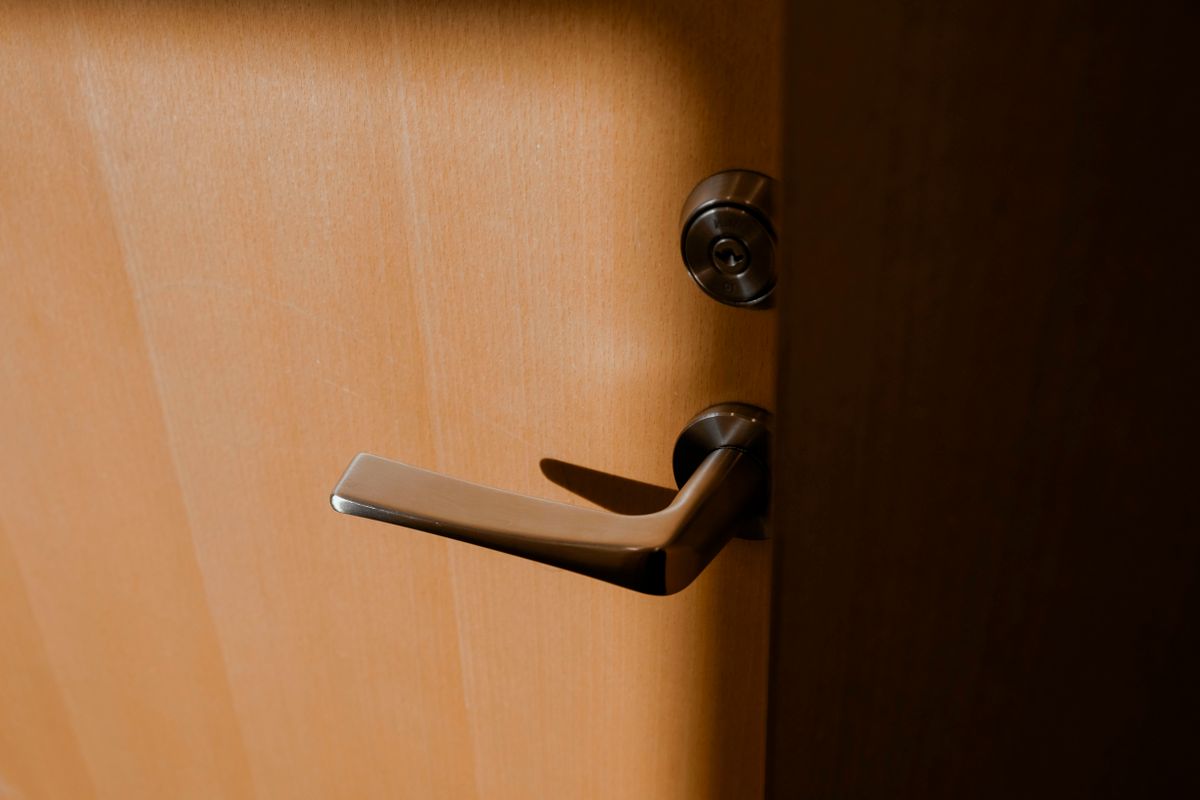
Inside your lock cylinder sits a row of small pins. Their heights match the cuts on your key — that is the whole secret of why your key turns and a stranger’s does not. Rekeying means a technician opens the cylinder and swaps those pins to a new pattern. The lock body, the deadbolt, the handle, the plate on the door — everything stays. Only the pattern changes.
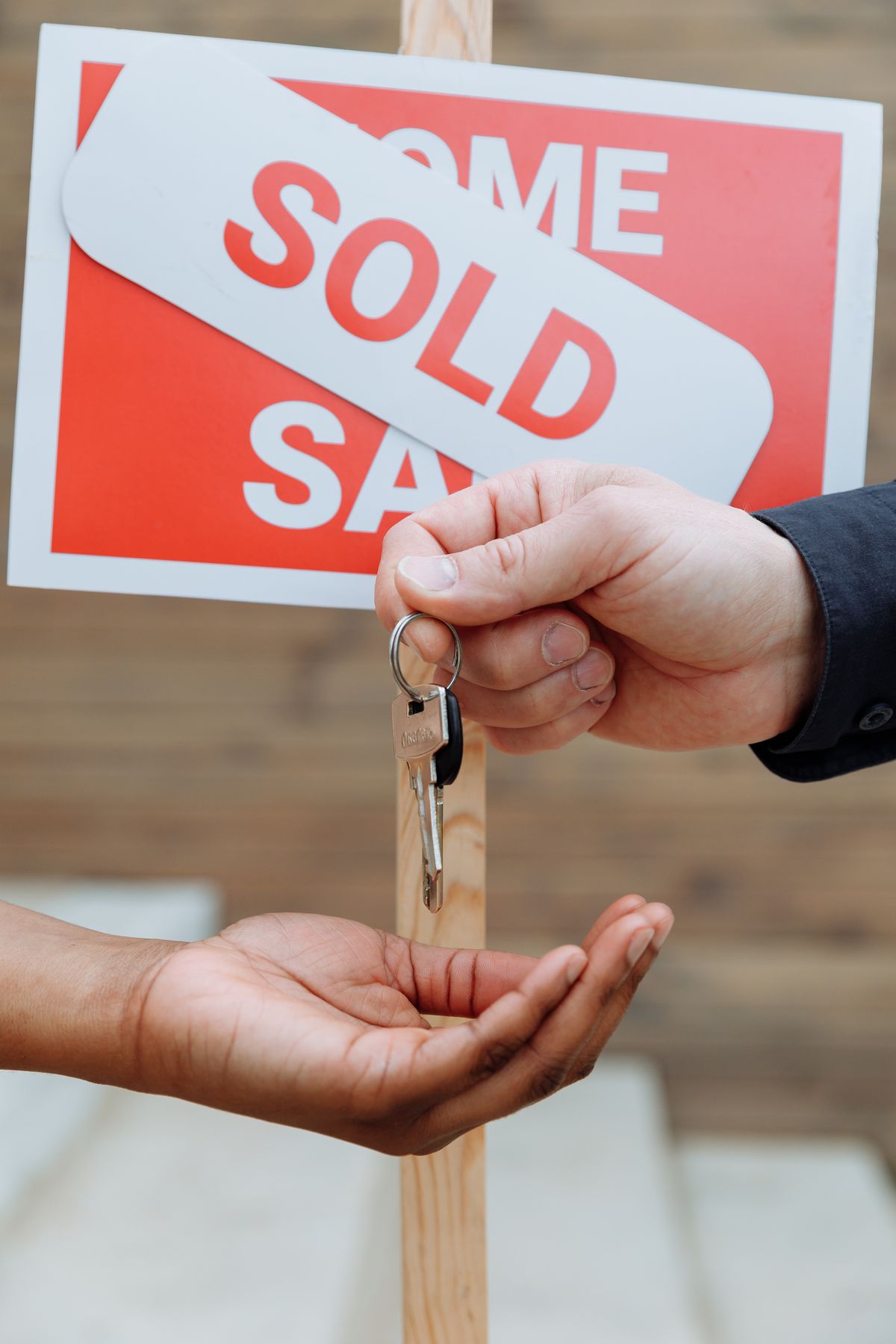
The result: you get fresh keys, and every key that existed before — the previous tenant’s copy, the ex’s copy, the one that fell out of your pocket in a cab — becomes a useless piece of brass. It is fast, tidy, and considerably less involved than replacing hardware.
What a full lock change is
Replacement means the old lock comes off the door and new hardware goes on. It is the right move when the problem is the lock itself, not just who holds keys to it. New mechanism, new keys, and — if you choose so — a better grade of hardware than the builder originally installed.
Rekey when…
- You just moved in and the locks are in good shape. You have no idea how many copies of the old key exist — and you do not need to. One rekey and the count drops to exactly the number in your hand. (We wrote a full move-in lock checklist for this situation.)
- Keys are lost or stolen but the lock works fine. The hardware did nothing wrong; the key population is the problem.
- Someone moved out — a roommate, a tenant, a contractor who had a copy for a month. Rekeying closes that chapter cleanly.
- You want one key for everything. If your locks are the same brand and keyway, rekeying can match your front door, back door, and basement to a single key. Fewer keys, fewer lockouts.
Replace when…
- The lock is failing. Sticking, grinding, needing a special wiggle, key going in at an angle — these are mechanical problems, and rekeying a dying lock just gives you new keys to a dying lock.
- There was a break-in or an attempt. Even if the door held, the mechanism may have taken damage you cannot see. After a burglary attempt, replacement is the conservative call — and worth pairing with a look at the door frame and strike plate too.
- The hardware is builder-grade and you want better. If you are upgrading anyway — say, to a pick- and drill-resistant cylinder — that is a replacement by definition. We covered who actually benefits from high-security locks separately.
- You are switching lock types. Moving from a plain knob lock to a proper deadbolt, or to a keypad lock, is hardware work, not pin work.
What about smart locks?
A keypad or smart deadbolt solves the “who has a copy” problem differently: you hand out codes instead of keys, and revoke them without calling anyone. For households with dog walkers, cleaners, or frequent guests, that flexibility is genuinely useful. The trade-offs are real too — batteries need changing, codes need the same hygiene as passwords, and cheap models are worse than a good mechanical deadbolt. If you go this route, treat it as a replacement decision and pick the hardware carefully.
How the visit actually goes
People sometimes picture rekeying as half a renovation. In practice it is one of the tidiest jobs in the trade. The technician confirms your ID and takes a look at the hardware. The cylinder comes out of the lock — on most modern deadbolts that is a couple of screws — and gets re-pinned to a new pattern on the spot. It goes back in, gets tested with the fresh keys a dozen times, and the old keys get tested too, to confirm they now do nothing. You keep the same door, the same handle, the same look. The only visible change is jingling in your pocket.
One New York wrinkle worth knowing: a lot of pre-war buildings run on mortise locks — the tall rectangular body set into the door itself, often older than anyone in the building. Most of these rekey beautifully, but they are their own craft, with parts that have not been stocked in decades. If your door has one, mention it when you call; it changes what belongs in the technician’s bag.
Three myths worth retiring
- “A rekeyed lock is weaker than a new one.” No. The pins are the same kind of pins, seated the same way. A rekeyed cylinder is mechanically identical to the day it left the factory — just keyed to you instead of to strangers.
- “Rekeying is something you do after a break-in.” It is far better as routine hygiene than as damage control. Every move, every lost keychain, every ended arrangement with someone who held a copy — that is a rekey moment, calm and unhurried.
- “Each lock needs its own key.” Only if you like it that way. Same-brand cylinders on your doors can usually be keyed alike in one visit — one key, front and back, no more guessing at the door in the dark.
If you want the visit to go quickly, two photos sent ahead do wonders: one of the door edge (so we can see the lock body type) and one of the cylinder face with a key next to it. That is usually enough to arrive with the right pin kits and any likely spare parts — especially for older mortise hardware, where guessing wrong means a second trip nobody wants.
The honest answer for most NYC renters
If the lock works smoothly and your only worry is who else might have a key — rekey. It addresses the actual risk without paying for hardware you do not need. A fair locksmith will tell you exactly that at the door, because the assessment comes first: we look at the lock, explain what your situation calls for, and confirm the price with you before any work starts.
That assessment is the core of our rekeying service, and it is part of every residential visit we make across the five boroughs.
Written by Mykhailo — NYC DCWP-licensed locksmith, FixMate Locksmith. Serving all five boroughs, around the clock.
Not sure which one your door needs?
Request a quote · Rekeying service
Price named and confirmed before any work starts. No surprises at the door.