

Moving Into a New NYC Apartment? Your Lock Security Checklist
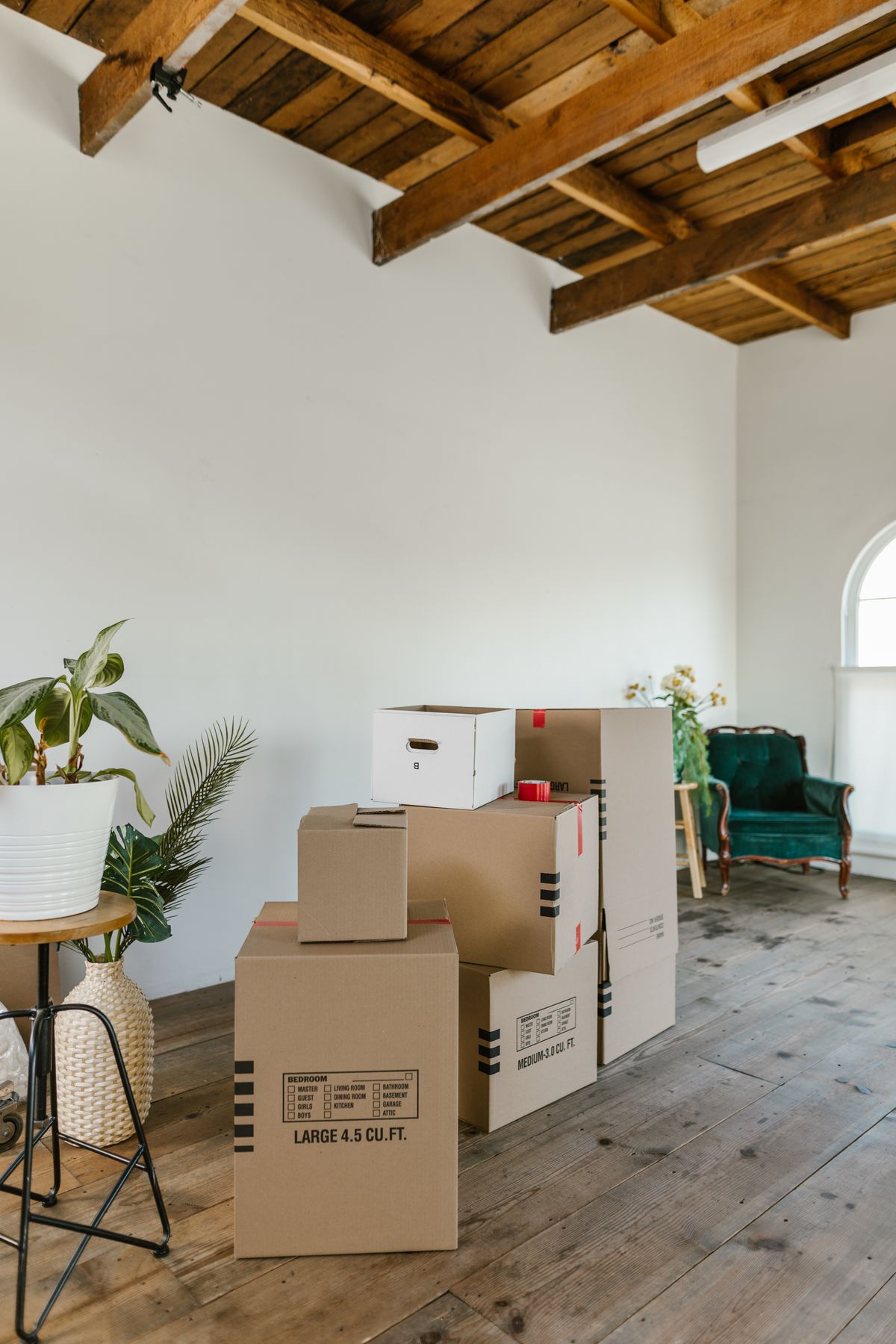
Moving day in New York has a script: boxes, a van double-parked with the flashers on, the internet installation window you will inevitably miss. Somewhere around week two you hang the first picture and the place starts feeling like yours. Here is the thing, though — until you deal with the locks, it is not quite yours yet. Someone else may still, quite literally, hold the key.
This is the checklist we wish every new tenant and buyer got with their lease. It takes one evening and removes a whole category of worry.
Day one: count the keys you cannot see
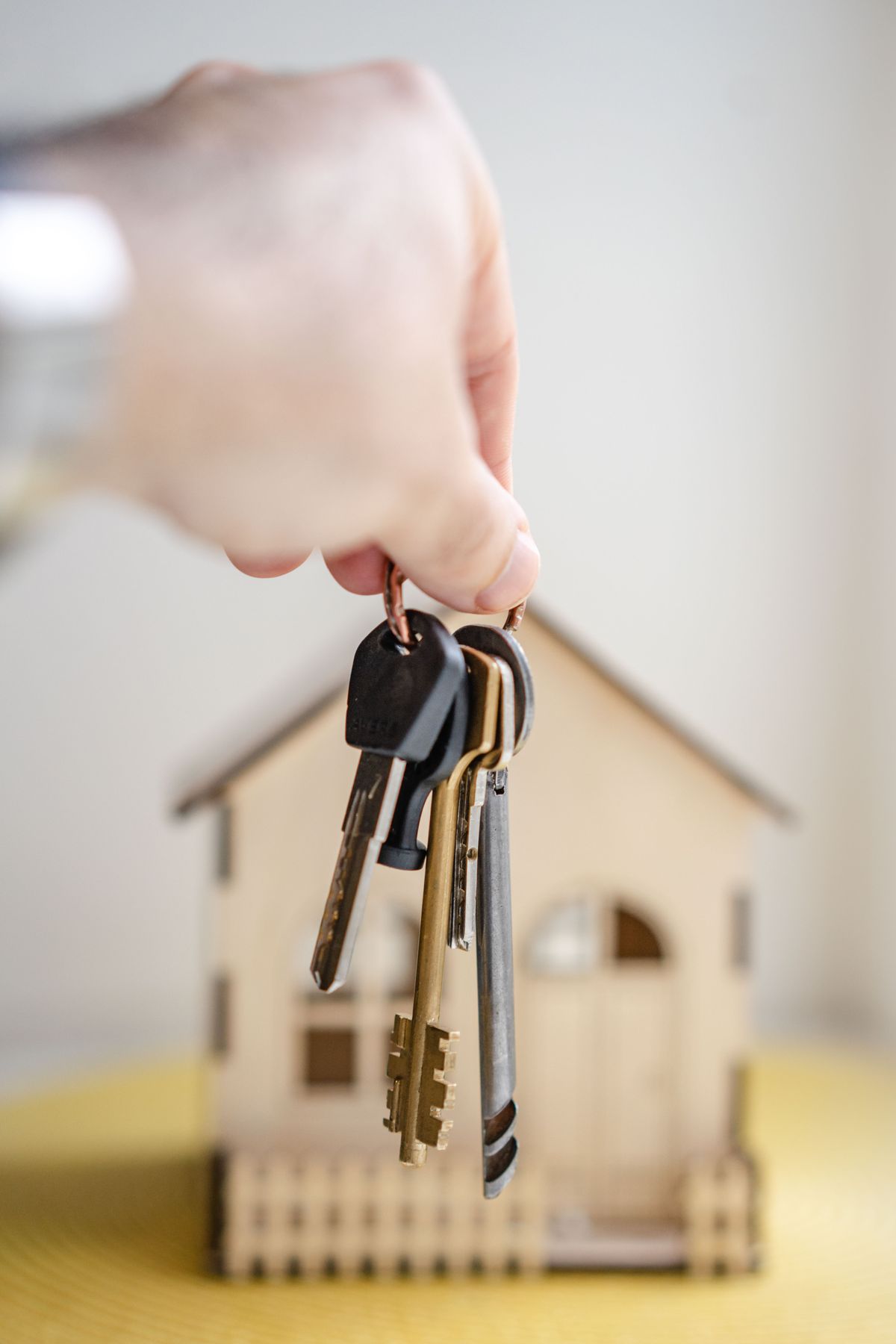
The copy in your hand is not the only one in circulation. Think about who might reasonably have had one made over the years:
- The previous tenant — and their partner, their parents, their old roommate.
- Whoever walked the previous tenant’s dog, watered the plants, or cleaned twice a month.
- Contractors from any renovation, ever.
- A real estate agent’s lockbox copy that may or may not have been collected.
None of these people are villains. Most keys sit forgotten in drawers forever. But “probably forgotten in a drawer” is a strange foundation for the security of the place where you sleep.
Rekey before you unpack
You do not need new locks — you need the old keys to stop working. That is exactly what rekeying does: a technician re-pins the existing cylinder to a fresh pattern, your new keys become the only working keys, and the hardware on the door stays put. If the locks are worn or you want an upgrade while you are at it, that becomes a replacement conversation — we broke down rekeying versus changing locks in detail if you want to go deeper.
Either way, the right moment is now — before the address is attached to your name on packages, deliveries, and paperwork, and while a locksmith visit is just one more line in the moving chaos.
Walk the whole perimeter, not just the front door
- Secondary doors. Back doors, terrace doors, basement access. In houses and ground-floor units these are the doors burglars actually prefer — and the ones landlords maintain last.
- Windows with reachable access. Fire-escape and ground-level windows should have working locks — test them, do not just look at them.
- The mailbox. Mail theft is a real NYC problem, and a mailbox key that “came with the place” has the same history as the door key. Your building management or USPS handles mailbox lock changes depending on setup — ask.
- The deadbolt itself. Does it throw fully into the frame without lifting or jiggling the door? A deadbolt that only goes halfway in is decoration.
Renters: what you can and cannot change
Rekeying or changing locks in a rental is normal and routine — with two caveats. First, check your lease: most allow lock changes but require it be done properly and reversibly. Second, your landlord or super is generally entitled to a working copy for emergencies (burst pipe at 2 PM while you are at work — you want them to have it). The clean protocol: rekey, hand one labeled copy to management, keep records. Done.
If a landlord resists any lock change at all, that is a conversation worth having in writing — but in our experience across the five boroughs, a polite “I had it rekeyed, here is your copy” is met with a shrug in almost every building.
The NYC-specific corners people miss
- Pre-war mortise locks. If your new place is in an older building, the front door may carry a mortise lock — the tall rectangular mechanism set into the door edge. They rekey fine, but they are specialist work with era-specific parts. Tell whoever you call what you have; a photo of the door edge saves everyone a second trip.
- The buzzer is part of your security. Get in the habit of never buzzing in anyone you are not expecting — “delivery for a neighbor” is the oldest trick in the borough. Your door lock cannot help with what the front door lets in.
- Basement storage cages. If the building gives you one, it comes with whatever sad padlock the last tenant abandoned. Replace it with your own — it is the one lock in the building where you control everything.
- Package strategy. Lobby package theft is its own NYC economy. A locked mailbox, a package room code that is not “1234”, or delivery to work beats any amount of worrying after the fact.
Buying instead of renting? Same list, higher stakes
Everything above applies double when you own the place. At closing you inherit every key ever cut for that property — from sellers, brokers, stagers, inspectors, and every contractor who touched the renovation that helped sell it. Rekeying on closing day (or before the furniture arrives) should sit on the same checklist as transferring the utilities. If the house has a garage, a side entrance, or a basement door, they all count. And since the locks are finally yours to choose, this is the natural moment to fix whatever the previous owner tolerated for years — that is a conversation about hardware quality we cover in the high-security guide linked below.
Upgrades worth considering while the toolbox is out
- A real deadbolt, if the door only has a knob lock. The spring latch in a doorknob is convenience hardware, not security hardware. If your new front door locks only at the knob, this is upgrade number one — it is the bread and butter of any residential locksmith visit.
- A reinforced strike plate with long screws. Unglamorous, inexpensive, and one of the highest-value security fixes that exists. Doors rarely fail at the lock; they fail at the frame.
- A higher-grade cylinder — for some situations. Street-level apartment, previous break-in in the building, or just old brittle hardware? Worth discussing. For everyone else, honestly, a solid standard deadbolt installed correctly does the job — we wrote an honest look at high-security locks about exactly this.
- A door viewer, if there is none. Low-tech. Works.
As for timing: the ideal slot is after you get the keys but before the furniture arrives — an empty apartment makes every lock accessible and the visit painless. Missed that window? The first quiet evening of week one works just as well. The only genuinely bad time is “someday,” which in practice means the previous tenant’s forgotten copies stay valid for your entire lease.
The short version
Rekey the door. Test every lock and reachable window. Sort the mailbox. Give management their copy. Put a spare with a person you trust — not under anything. Then go back to arguing about where the couch goes, knowing the key situation is fully, boringly under control.
Written by Mykhailo — NYC DCWP-licensed locksmith, FixMate Locksmith. Serving all five boroughs, around the clock.
Just picked up the keys? We can rekey while the boxes are still taped.
Request a quote · Rekeying service
Price named and confirmed before any work starts. No surprises at the door.