

Storefront Door Hardware After a Break-In Attempt: An Owner’s Guide
The call usually comes just after six in the morning, because that is when the first employee arrives and finds the door wrong. A pry mark chewed into the frame. A cylinder hanging at an angle it should not have. Glass crazed in one corner. Whether the attempt got inside or not, the owner now has the same three problems: today’s business, tonight’s security, and the longer question of making sure this particular trick never works on this particular door again.
This is the after-action guide we find ourselves giving over the phone, written down. It covers the first hour, the first day, and the upgrade decisions that should come out of any break-in attempt — successful or not — at a New York storefront.
The first hour: document before you touch
The instinct is to fix the door immediately. Resist it for one hour. Call the police and get a report started — the report number is the key that unlocks your insurance claim later. Photograph everything before anyone straightens, cleans or repairs: the damage up close, the whole door, the sidewalk approach, anything moved or taken inside. If there are cameras, save the footage now, while it exists — most systems overwrite themselves within days.
Then check the parts of the door people forget to check: does it still lock at all, does the frame hold the strike, do the hinges sit tight. A door that “seems fine” after a pry attempt often is not — frames bend in ways that leave the bolt seated on hope.
Same day: make it lock tonight
Whatever the long-term plan turns out to be, the store has to lock tonight. A same-day emergency visit typically restores that baseline: replace or rebuild the damaged cylinder, reset or reinforce the strike, get the bolt engaging fully, and where the damage is structural, install a temporary reinforcement plate so the door holds until proper parts arrive. If glass is gone, a board-up buys you the night.
One caution born of long experience: the hours after a break-in are precisely when a rattled owner is easiest to overcharge. The bait-and-switch crews that plague this city do their best business at moments like this. Any legitimate shop will name the price before starting and put it in writing — the same red flags we catalogued in our guide to locksmith scams apply double when you are standing in front of a damaged door at dawn. A licensed shop, a confirmed quote, then work.
Read the damage: the door is telling you something
Before choosing upgrades, look at what was actually attacked — the attempt is a free security audit, paid for in adrenaline. Marks concentrated on the cylinder mean the hardware itself was the target, and the answer lives in better metal. Crushing or spreading damage along the frame edge means the attacker went after the gap between door and jamb, and the answer is reinforcement and coverage of that gap. Broken or crazed glazing points at the glass, and cut or bent gate hardware points at whatever was supposed to protect the whole assembly overnight.
Match the fix to the vector. Money spent upgrading a cylinder after a frame attack is money spent decorating.
Upgrades that actually answer the attack
- The cylinder. Storefront mortise cylinders are a known weak point when they are commodity-grade. High-security cylinders — hardened against drilling and grabbing, with keys that cannot be copied at a corner counter — close that door decisively. We compared the leading families in our Medeco vs. Mul-T-Lock guide, and covered when the upgrade is worth it — a storefront that has already been attacked is the textbook yes.
- The bolt and the gap. A longer-throw deadbolt or hookbolt seats deeper into the frame, and a latch guard or astragal plate covers the gap where pry bars live. These are unglamorous pieces of steel that end the most common storefront attack outright.
- The frame and strike. Reinforced strikes with long anchors, straightened and braced aluminum frames, hinge-side protection where the attempt went after the pivot. The lock is only as strong as what it bolts into.
- The glazing. Security film or laminated glass turns a ten-second smash into loud, slow, visible work — which is usually enough to end the attempt. Pair it with lighting at the entry; attackers audition doors that let them work in the dark.
- The gate. Where the storefront has a roll-down or scissor gate, its padlocks and side locks deserve the same grade of cylinder as the front door. A high-security door behind a hardware-store padlock is a chain with one decorative link.
If the door itself — not just the hardware — took structural damage, repair has limits. A racked or fatigued storefront door never quite closes right again, and a door that does not close right does not lock right. That is a door replacement conversation, and it is better had once, honestly, than revisited after every season of misalignment.
The insurance file
Keep the paper trail in one folder from hour one: the police report number, your photographs, the camera footage, and written invoices for every repair. A professional locksmith documents as a matter of course — itemized work, parts named, before-and-after photos on request — because we know the file is going to an adjuster. One planning note: insurers generally pay to restore what existed, not to improve it. The gap between “as it was” and “as it should be” is usually modest, and a break-in is the one moment when spending that difference needs no committee meeting.
If the business runs more than one location, give the incident a line in a shared log: date, entry point, what was upgraded in response. Chains audit themselves this way — the second shop learns from the first shop’s bad morning without paying separately for the lesson. We go deeper on multi-location key and hardware standards in our guide to opening a second location.
After the dust settles

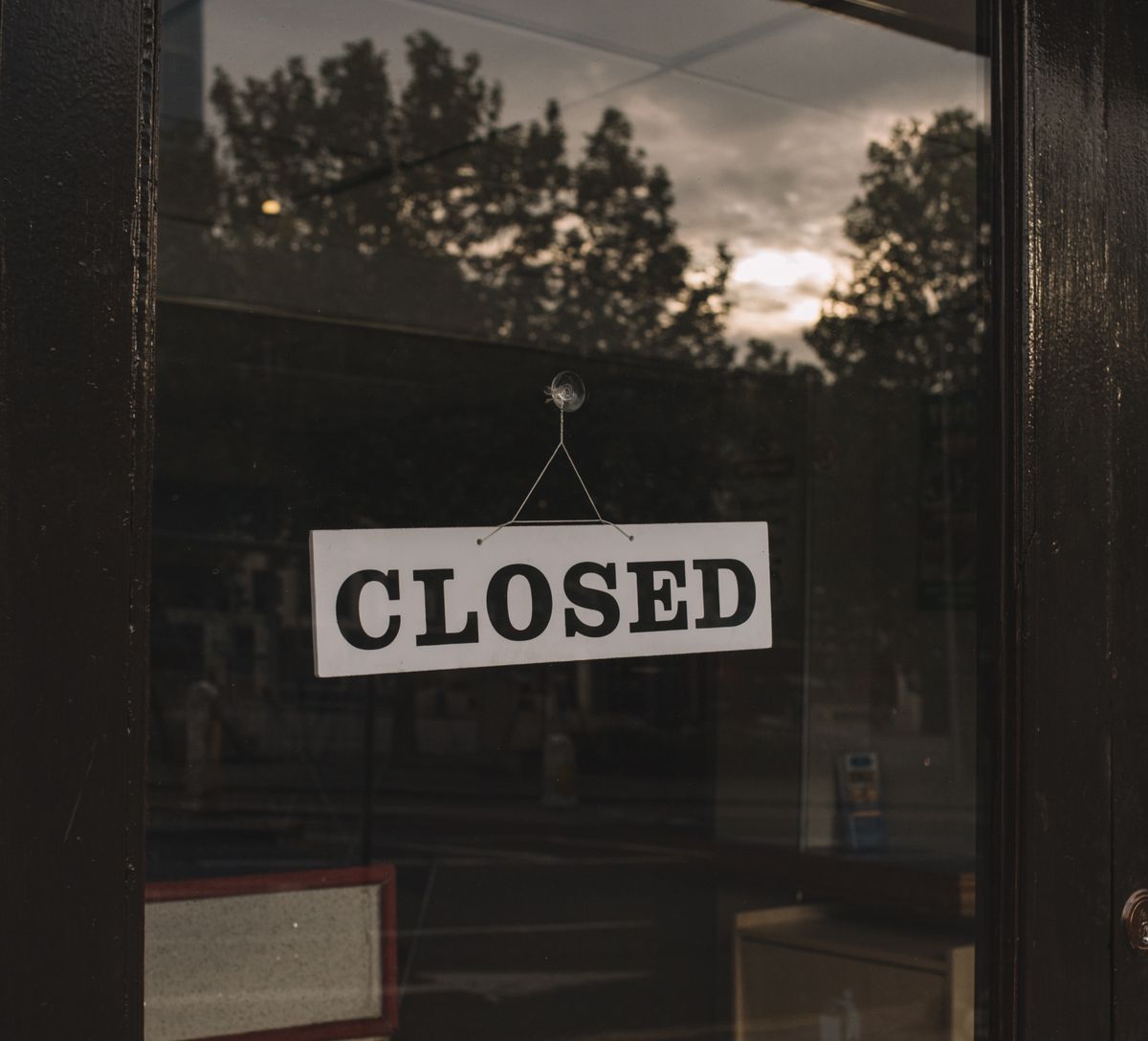
The goal of everything above is the sign flipping back to open — with a door that learned from the experience. Two habits keep it that way. First, walk the whole perimeter, not just the wounded door: the back door, the basement hatch, the roof access, the gate hardware. Attackers who fail at the front sometimes return to audition the sides; the back door with its own exit hardware has its own rules, which we cover in our panic bar and egress guide. Second, put the storefront on a standing relationship with one commercial locksmith who keeps your hardware history — so the next call, if it comes, starts from knowledge instead of from zero.
A break-in attempt is a bad morning. Handled in this order — document, secure, read the damage, upgrade what was actually attacked — it is one bad morning, not the first of several.
Written by Mykhailo — NYC DCWP-licensed locksmith, FixMate Locksmith. Serving all five boroughs, around the clock.
Standing in front of a damaged storefront right now?
Request a quote · Emergency locksmith
Price named and confirmed before any work starts. No surprises at the door.