

Medeco vs. Mul-T-Lock: An Installer’s Honest Comparison
Ask any New York locksmith which high-security lock to buy and you will hear the same two names within the first minute: Medeco and Mul-T-Lock. Walk down a commercial block in Manhattan and you will see their cylinders in door after door. Both have earned that position, and both cost real money compared to the builder-grade hardware your door probably came with.
I install and service both, week in and week out, so I do not have a horse in this race. What I have is a decade of watching how each one behaves on actual New York doors — which is a different thing from how they behave in a brochure. Here is the honest version, written for someone deciding what goes on their own apartment or storefront. If you are still deciding whether you need a high-security lock at all, start with that question — it matters more than the brand.
Why these two names come up in every high-security conversation
The high-security market is not crowded. Making a cylinder that resists picking, drilling, and unauthorized key copying — and proving it to insurers and institutions — takes patents, tooling, and decades of reputation. Medeco has been doing it in Virginia since 1968; its angled key cuts and rotating pins became a template the rest of the industry studied. Mul-T-Lock came out of Israel with its pin-in-pin telescoping design and, as part of the ASSA ABLOY group, put serious distribution behind it. In New York specifically, Mul-T-Lock ended up everywhere in residential buildings while Medeco became a fixture on commercial and institutional doors. Neither position is an accident.
What they have in common
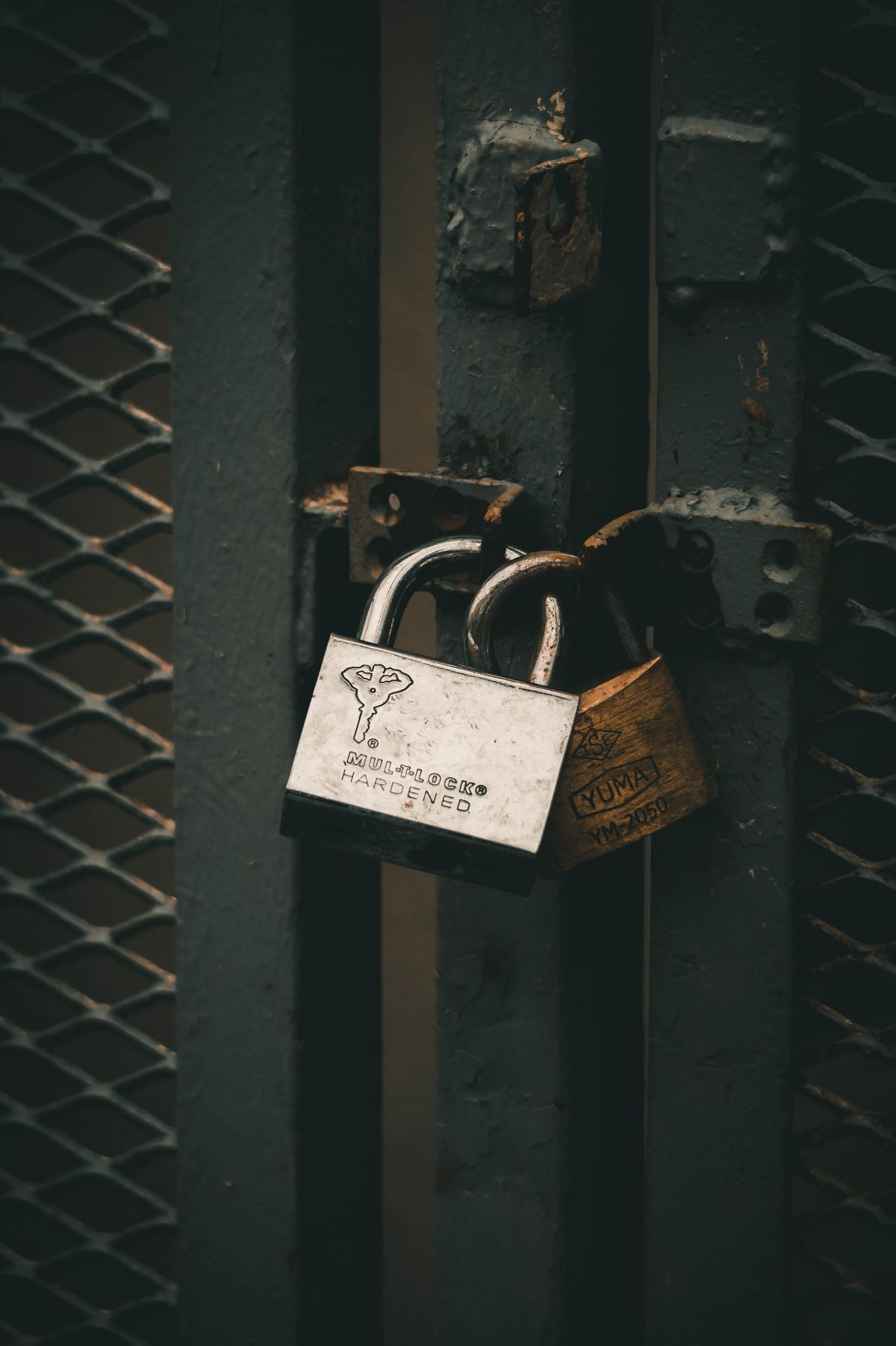
At the level that matters for your door, the overlap is large. Both build cylinders with hardened steel elements that shrug off drill bits that walk straight through ordinary locks. Both use geometries a street-level picker will not open in any realistic scenario. Both control their key blanks: the blank your key is cut on is patented and distributed only through authorized service points, so a corner shop cannot legally or practically duplicate it. And both are made to demanding third-party security ratings rather than marketing labels.
That last part is worth pausing on. The phrase “high-security” is unregulated — anyone can print it on a box. What separates these two from the pretenders is that their claims are tested. When we talk about high-security lock work, this tested tier is what we mean.
Where Medeco is strong
Medeco is the specification king. If a bank branch, a university, or a city agency writes a security standard, Medeco is usually the name already printed in it. The design philosophy is conservative in the best sense: fewer moving surprises, decades of field history, and a key control program that institutions trust with thousands of doors. The keys themselves are cut at angles — the pins must rotate as well as lift — which is why the design has stayed respected for over fifty years.
On the practical side: Medeco cylinders drop cleanly into the mortise and rim hardware that older New York commercial doors carry, and replacement parts are never a hunt. For a storefront that wants one proven cylinder and a paper trail for every key, it is an easy recommendation.
Where Mul-T-Lock is strong
Mul-T-Lock won New York apartments, and it won them on fit and flexibility. The catalog covers nearly every door quirk this city can produce — odd cylinder lengths, thick pre-war doors, gate locks, padlocks, high-traffic building entries — all keyed into one system if you want. The telescoping pin design (a pin inside a pin, both of which must sit exactly right) is genuinely clever, and newer key generations add a moving element in the key itself, so even a perfect photograph of your key is not enough to make a working copy.
If your building already runs on Mul-T-Lock — and in Brooklyn and Queens the odds are good — staying in the family means your new cylinder can join the existing key system instead of adding another key to your pocket.
Key control: the part that matters most in apartments
Here is the uncomfortable truth about apartment security: most unwanted entries do not involve picking anything. They involve a key — one that was copied by a contractor, a previous roommate, a dog walker, or the tenant before you. Standard keys copy in ninety seconds at any hardware store, and nobody asks questions.
This is where both brands earn their price. A restricted blank plus a signature card means copies happen only through an authorized dealer, only for people you have listed. That single feature closes the most common real-world attack on an apartment door. It is also worth knowing the modest alternative: if uncontrolled copies are your only worry and your hardware is decent, rekeying the lock you already own resets who has a working key for far less than a high-security cylinder. An honest locksmith will tell you when that is all you need.
What neither lock will fix
- A weak frame or strike. If the door frame splits under a shoulder, the cylinder never gets a vote. Reinforcing the strike plate matters more than the brand on the key.
- A hollow or cracked door. A premium cylinder in a flimsy door is jewelry.
- Gaps and alignment problems. A deadbolt that barely reaches its pocket holds like one that barely reaches its pocket, whatever name is stamped on it.
- Habits. A spare under the mat defeats any cylinder ever made.
Any serious installer checks these before quoting a cylinder swap, because upgrading the weakest link is the whole game. Locks are one part of a door that works as a system.
What about the other brands?
They exist, and some are excellent. Abloy’s rotating-disc cylinders are superb; ASSA and a few European makers build serious hardware; even mainstream brands now sell “smart-key” convenience products that solve different problems. We focused on Medeco and Mul-T-Lock because in New York they are the two you will actually be offered, the two your building has probably already standardized on, and the two whose service network here is deep enough that a lost key or a needed copy never becomes a project. A great lock with no local support ages badly.
How to choose for a NYC door
If you strip away the tribal loyalties, the decision usually settles itself:
- Commercial or institutional door, or you want the specification pedigree: Medeco fits the way those buildings already think.
- Apartment building, mixed hardware, or an existing Mul-T-Lock system in the building: Mul-T-Lock integrates with the least friction.
- Either brand on a solid door beats the fanciest cylinder on a weak one — put the first dollars into the door and frame, then the cylinder.
Both are locks I would put on my own family’s door without hesitation. The honest answer to “which is better” is that the installation, the door, and the key control process around the lock decide more than the logo does. Pick the one that fits your building’s reality, have it installed by someone licensed who will show you the license without being asked twice, and keep the signature card somewhere you will find it in five years.
Written by Mykhailo — NYC DCWP-licensed locksmith, FixMate Locksmith. Serving all five boroughs, around the clock.
Weighing a high-security upgrade?
Request a quote · High-security locks
Price named and confirmed before any work starts. No surprises at the door.