

Are Baldwin Locks Worth the Name? An Installer’s View
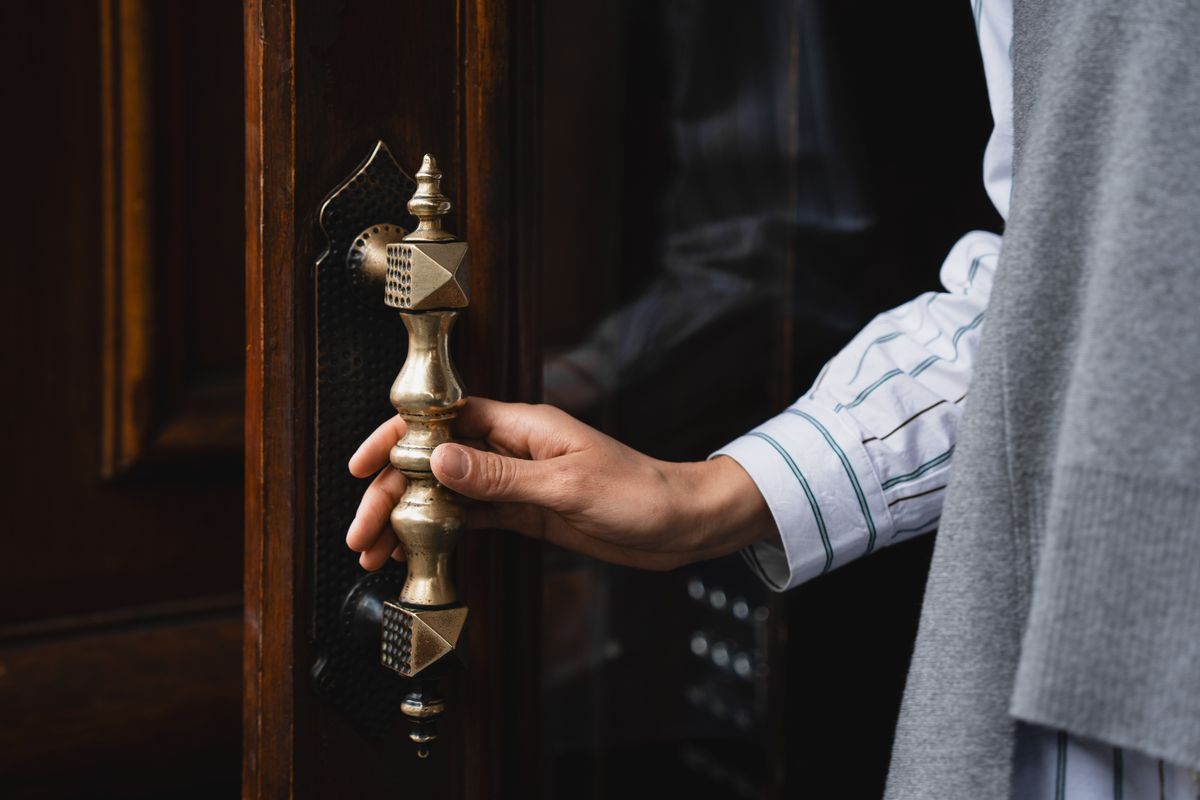
A homeowner in Park Slope once handed me two door knobs and asked which one felt like the real thing. She didn’t need my answer — her hand had already told her. One knob was hollow, a thin brass-plated shell over pot metal that rattled faintly when I held it near my ear. The other was Baldwin: solid, dense, cold the way real metal is cold, with a latch that clicked home like a small vault door. That difference, felt in under two seconds, is the entire Baldwin argument — and also where most of the marketing stops.
I install a lot of hardware on prewar doors across Brooklyn and Manhattan, and some version of this question comes up every few weeks: is Baldwin actually worth it, or is a client paying for a name stamped on a box? The honest answer has two halves. The first half is that yes, the weight and the finish are real, and they buy something builder-grade hardware simply cannot fake. The second half is the part nobody selling the hardware wants to lead with: a beautiful Baldwin handleset says nothing about how hard the lock behind it is to defeat. Those are two separate questions, and this article is about both.
What the Baldwin name has actually meant since 1946
Baldwin got its start in the years right after World War II, when a Reading, Pennsylvania shop began stamping brass letter boxes under the Baldwin name. By most accounts in the trade, it became the first hardware maker to forge solid brass door hardware rather than cast it — a distinction that sounds technical until you have watched a cast knob crack in your hand after a decade of use, which I have. Eighty years on, it remains one of the few American hardware names built entirely around that idea.
Forging shapes metal under heat and pressure instead of pouring it molten into a mold. The result is denser and more structurally sound, without the internal voids that make cast or hollow-stamped hardware fail at the exact moment you lean on it hardest — usually when a door has swollen shut in August and someone is putting a shoulder into it. That is still the core of the pitch: hardware built to be handled for decades, not just photographed once for a listing.
Three ways to spend on Baldwin brass
Baldwin sells three tiers, and the differences are not just marketing language on a shelf tag.
Estate
The top of the line. Solid forged brass throughout, the widest range of finishes Baldwin offers, and enough configuration options to match almost any prewar trim already in the house.
Reserve
One step down. Still solid forged brass in the parts your hand actually touches, just a shorter finish list and less mix-and-match than Estate.
Prestige
The entry point into the Baldwin name. Built from a brass-and-aluminum blend and sold as fixed sets rather than built to order — a legitimate mid-tier product, but a different one from Estate or Reserve.
None of that makes Prestige a bad choice. It does mean the phrase “it’s Baldwin” covers a wider range of actual hardware than most people assume, and I always ask a client which tier they were quoted before I tell them what to expect on their own door.
Where the premium actually goes
Handle a Baldwin knob next to a big-box equivalent and the difference is not subtle. It is weight first — solid brass has a density a hollow shell cannot match no matter how good the plating looks under showroom lighting. It is also the finish: Baldwin’s living finishes, especially the unlacquered brass options, are built to tarnish and darken with handling the way a well-used brass instrument does, developing a patina instead of hiding under a clear coat that eventually chips and shows the cheaper metal underneath. And it is the mechanical feel — the latch, the spring tension, the way a lever returns to level without wobble after years on a door that gets slammed by kids, wind, and impatient delivery drivers.
That is a serious premium over builder-grade trim, and I tell clients plainly: they are paying for hardware, not for magic. If the goal is a residential locksmith job done once and forgotten for twenty years, that premium tends to earn its keep.
Where Baldwin earns its place in New York
This is where the brand actually makes sense for the city, rather than just for a showroom. Brownstone and townhouse doors are heavy — solid wood, often original to the building, with mortise pockets cut for hardware that was never meant to be flimsy. A hollow, mass-market handleset looks and feels wrong on a door like that, the same way a plastic knob looks wrong on a hand-carved newel post. Baldwin’s weight and finish options were built for exactly this kind of door.
I see it most on renovated brownstone entries where an owner is matching new hardware to preserved original trim, on loft conversions where exposed brick and steel call for something with real heft, and on prewar buildings where the front door is doing double duty as security and as the first impression of the whole house. It is less at home on a hollow-core interior door in a new-construction rental, where the door itself will never live up to the hardware bolted onto it.
The honest caveat: beautiful trim is not high security
Here is the part I want every Baldwin buyer to hear before they spend on it: a gorgeous handleset with a standard cylinder inside it is jewelry. It dresses up the door. It does not, by itself, make that door harder to get through. The cylinder — the small mechanism that actually reads the key — is a separate product from the trim around it, and on most Baldwin entry sets, the cylinder that ships in the box is a standard pin-tumbler design, not a picking- or drilling-resistant one.
This is not a Baldwin problem specifically — it is true of almost every beauty-first hardware brand. A handleset can carry a respectable strength rating under the ANSI hardware grading most manufacturers test to, and that rating still says nothing about how the cylinder behaves against picking, bumping, or drilling. Grade ratings measure how hard you can slam, wrench, and cycle a lock before it breaks. They do not measure how long it takes a determined stranger with the right tools to get through it without a key. Brands built around that second question — Medeco and Mul-T-Lock among them, or Abloy on the key-control side — exist because looking expensive and being hard to defeat are two different engineering problems, solved by two different kinds of companies. Whether that gap is worth closing on your own door is exactly what we walk through in our piece on high-security locks.
The pairing that actually makes sense
The good news is that nobody has to choose between a door that looks right and a door that is hard to defeat. Baldwin handlesets are common enough that several high-security cylinder makers manufacture parts sized specifically to drop into them, which tells you this pairing is not some workaround I invented — it is a known, supported combination in the trade.
FixMate Locksmith is NYC DCWP-licensed, and we install and service Baldwin hardware across the city. On the doors where security actually matters — a street-level brownstone entry, a ground-floor loft, a home office holding anything worth protecting — I will often pull the standard cylinder Baldwin ships and set a high-security cylinder into the same handleset.
The owner keeps the brass they picked out of a catalog. The lock behind it stops being the weakest part of the door. Nobody has to explain to a design-conscious guest why a beautiful front door has an unattractive cylinder bolted on top of it.
So, is it worth the name?
If someone is buying Baldwin for what it actually is — solid forged brass, hand-finished, built to be handled for decades without cracking, chipping, or wobbling — then yes, the name earns its premium. It is priced like furniture, not hardware, and on the right door in the right building, it wears like furniture too. If someone is buying it because they assume “expensive” means “secure,” the fix is simple: ask about the cylinder before asking about the finish. The trim and the security are two different purchases, and any installer worth hiring will tell you that before touching either one.
Written by Mykhailo — NYC DCWP-licensed locksmith, FixMate Locksmith. Serving all five boroughs, around the clock.
Thinking about hardware that outlasts trends — without pretending trim is security?
Request a quote · Residential locksmith service
Price named and confirmed before any work starts. No surprises at the door.